
Not always writing, but always opinionated about some topics…
For those that do not really like long and serious articles: Benet Bani | LinkedIn

Reading The Motley Fool never made anyone rich
That headline is a bit unfair, because it is too clean. Real life is never that clean. But the spirit of it is true enough to be useful.
Most people who “invest” through mass-market investing content are not building a strategy. They are renting a feeling. The feeling is usually confidence. Sometimes urgency. Often both. And if your inputs are designed to keep you reading instead of keep you disciplined, your portfolio becomes a side effect of someone else’s business model.
Here’s my thesis: the problem is not that popular investing outlets are evil or that every article is wrong. The problem is incentive design. When the product is attention, the content will skew toward what grabs attention.
Value investing has changed... a lot
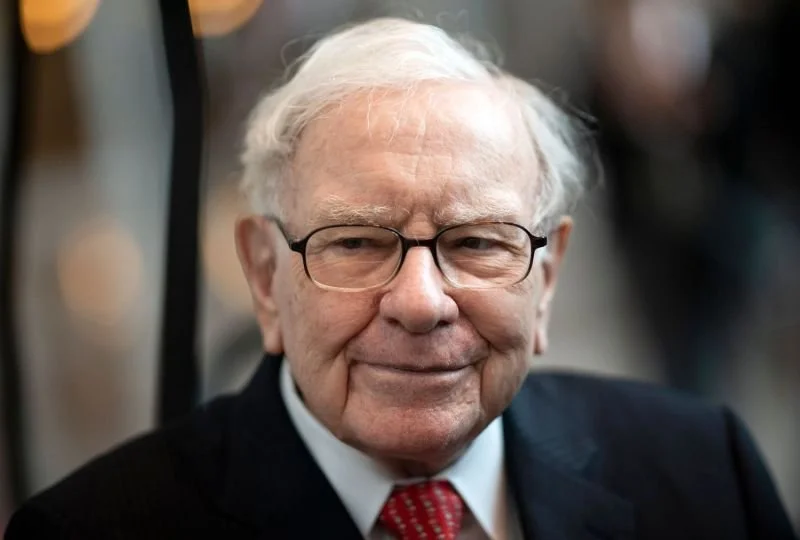
If you try to copy Warren Buffett in 2026 the way people copy him on Twitter, you are more likely to copy the shape of his success than the source of it.
That is a polite way of saying you will probably get hurt.
Let me be clear about what I am not saying. Buffett is one of the best investors of all time. His discipline, patience, and ability to read business quality are rare. The problem is not Buffett. The problem is the lazy idea that his results were produced in a vacuum, as if the world was merely background noise. Economic history is not optional here, because investing is never done in a laboratory. It is done inside a regime. And regimes change.

OTM puts will create new millionaires...
Current equity valuations have detached from any reasonable fundamental anchor. The S&P 500 trades at multiples that would have been considered bubble territory in any previous cycle, and yet the consensus view treats this as normal, even justified. We're told that artificial intelligence justifies these prices, that monetary conditions support them, that American exceptionalism demands a premium. None of these narratives withstand serious scrutiny. The reality is that we're witnessing speculative excess on a scale that makes historical bubbles look restrained by comparison. For those willing to accept the career risk and timing uncertainty, out-of-the-money puts represent an asymmetric opportunity that could generate extraordinary returns when this structure inevitably collapses.

Trading Gurus Are Like Eunuchs in a Harem
There's an old saying that perfectly captures the essence of the trading guru phenomenon: they're like eunuchs in a harem, they know how it's done, they've seen it done every day, but they're completely unable to do it themselves. If you've spent any time on financial YouTube or scrolling through Instagram, you've encountered this species. They're everywhere, multiplying like rabbits, and they're after your money with the desperation of a drowning man clinging to driftwood. The question isn't whether these people exist,that's obvious. The question is why so many intelligent investors still fall for their transparent nonsense.

Palantir is Grossly Overvalued with These Metrics...
While everyone's busy losing their minds over Nvidia's valuation, they're completely missing the real circus act happening right under their noses. Palantir has quietly become the most overvalued large-cap stock in market history, and I spent my entire weekend crunching numbers to prove it. What I found should terrify anyone holding this stock – we're looking at a price-to-sales ratio of 100. Let that sink in for a moment. One hundred times sales. Not earnings, sales. At a nearly $300 billion market cap with less than $3 billion in revenue for all of 2024, Palantir has achieved a level of valuation insanity that makes the dot-com bubble look like a rational pricing exercise.

Does Value Biotech Even Exist?
A client once told me that he had lost USD 24K waiting for a "value" biotech stock to rebound. He held on for years, convinced that the market had mispriced this hidden gem, watching his position bleed until he finally capitulated at an 86% loss. This story haunts me not because it's unusual, but because it's so painfully common. The biotech sector is littered with the corpses of value investors who thought they could apply Graham and Dodd to an industry that operates by entirely different rules. Let me be absolutely clear about my position here: value investing in biotech is a myth, a dangerous delusion that will separate you from your money faster than a rigged slot machine.

What are the 3 Main Elements Every Investor Should Know When Investing in a Biotech Company Producing a New Drug?
The biotech sector is a fascinating beast. It's where brilliant minds meet desperate hope, where science fiction becomes science fact, and where fortunes are made and lost faster than you can say "Phase 3 trial failure." I've spent years analyzing these companies, watching some soar to unimaginable heights while others crashed and burned despite having what seemed like promising technologies. Through all this chaos, I've learned that there are three fundamental elements that separate the winners from the losers, the diamonds from the rough, the actual breakthroughs from the elaborate scientific theater. These aren't secrets hidden in some vault – they're right there in the clinical data, if you know how to read between the lines.