
What the Social Security raise does not tell retirees
Retirees get about $75 more a month from January. From late 2032 the fund can pay 78%.
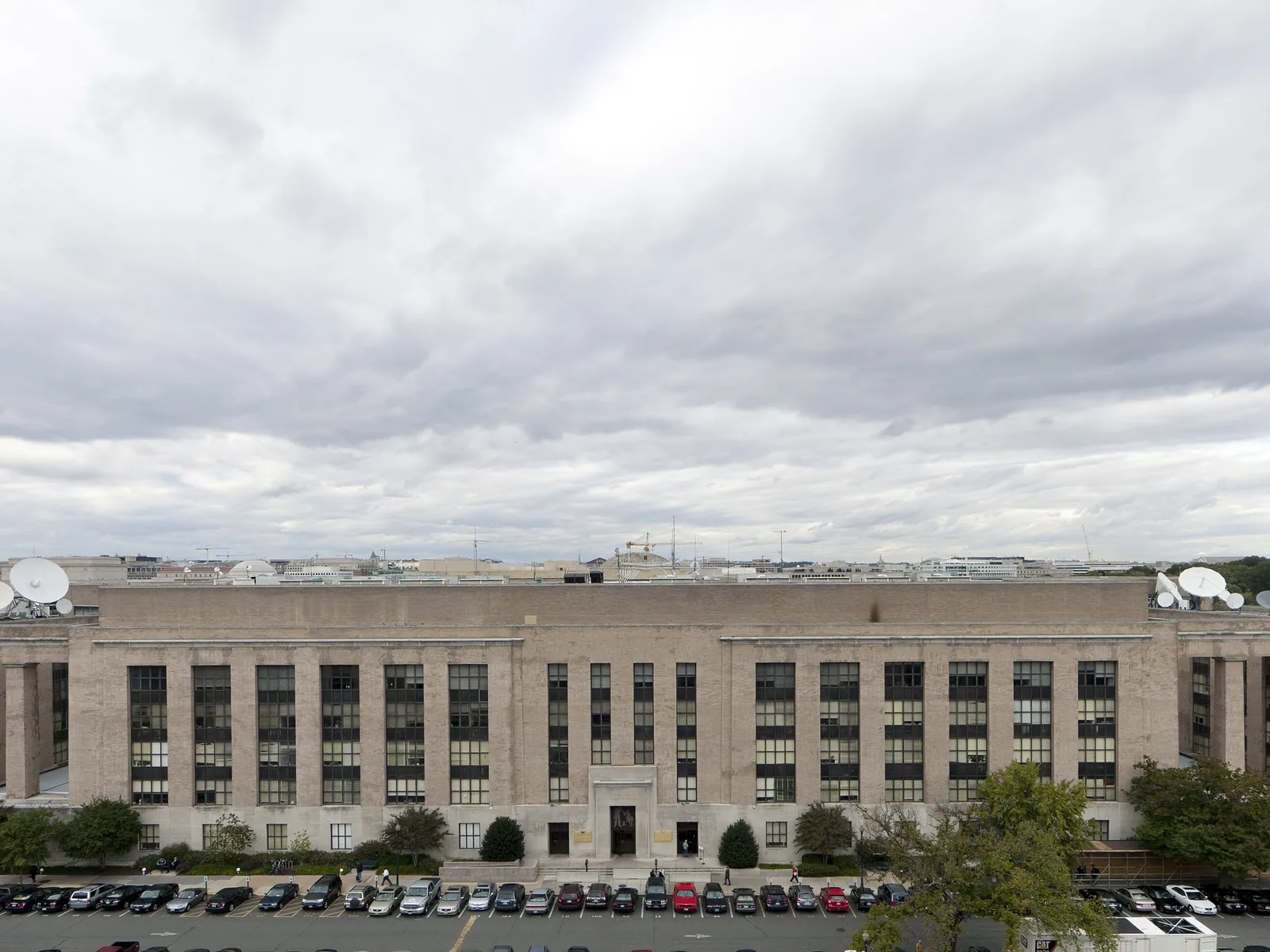
Social Security benefits rise 3.6% in January. The average retired worker gets about $75 a month extra, the Social Security Administration said on 14 October, and with Supplemental Security Income the raise reaches 76 million people. The announcement leaves out a date from the same agency’s trustees: the fund that pays retirement checks runs out of reserves in the last quarter of 2032.
After that date, incoming taxes cover 78% of scheduled benefits, and the law does not let the fund pay a cent more. Unless Congress changes the law, the cut applies to every check, including those being paid today. Both the raise and the cut arrive by formula. Congress passed two laws in 2025 that touched the gap between them, and both made it wider.
What changes in January
| This year | From January | |
|---|---|---|
| Cost-of-living raise | 2.8% | 3.6% |
| Average retired worker, per month | $2,095 | $2,170 (estimate) |
| Aged couple, both receiving benefits, per month | $3,238 | $3,355 (estimate) |
| SSI federal payment, individual, per month | $994 | $1,029 |
| Taxable maximum for payroll tax | $184,500 | $192,300 |
| Earnings limit before benefits are withheld (under full retirement age) | $24,480 | $25,560 |
| Medicare Part B premium, per month | $202.90 | $209.50 (Trustees’ projection, not yet announced) |
How the raise is calculated
The raise follows one index, the CPI-W, which tracks prices for “urban wage earners and clerical workers”, meaning people who still work. Its July-to-September average was 328.746 this year against 317.265 last year, a rise of 3.6%. The Social Security Act turns that number into the raise without a vote. Raises have been automatic in this way since 1975. Before that, Congress voted each one. The formula has given very different results from year to year. It paid 14.3% in 1980 and 11.2% in 1981, and 8.7% from January 2023, the largest raise since. It paid nothing in January 2010, January 2011 and January 2016, because the third-quarter index had not beaten the last one that triggered a raise. The arithmetic only counts upwards, so when prices fall the raise is zero. The six raises paid since January 2022, from 5.9% to this one, compound to almost 30%. By construction that is roughly what the CPI-W itself did over the same years. Whether a workers’ index is the right basket for people who no longer work is an older argument.
This year the raise beat most of a retiree’s prices
The standing complaint about the CPI-W is that a workers’ index underweights what the old buy most, housing and medical care. This year the opposite happened. Shelter rose 3.2% in the twelve months to September, the Bureau of Labor Statistics reports, and medical care rose 1.5%, both below the raise. Groceries rose 1.8%, so for a retiree who drives little and cooks a lot the raise runs at twice the pace of the food bill. Gasoline rose 34.2%, and a retiree who drives a lot feels that instead. Fuel, the item most tied to the commute, is what pushed the workers’ index up to 3.9% in September. For a retiree with a paid-off house and Medicare, the raise mostly reflects what commuters paid for fuel. The formula pays the same percentage to everyone, whatever they buy.
Some of the $75 is spoken for before it arrives. The Medicare trustees project the Part B premium at $209.50, $6.60 more a month, which would take almost 9% of the average raise. The official premium comes later this year.
Workers did about as well
Average hourly earnings rose 3.0% over the year to September, the Bureau of Labor Statistics reports, which is less than the 3.6% raise. The Atlanta Fed, which follows the same workers a year apart, puts the median raise at 3.9%, which is more. On size, then, workers and retirees did about equally well. The difference is that a retiree’s raise is written into law and a worker’s depends on the employer.
The retirement fund runs out of reserves in late 2032
The trustees’ June report moved the retirement fund’s depletion date a quarter earlier, to the fourth quarter of 2032. The fund spends more than it collects. In 2025 it paid out $1,448.8 billion and took in $200 billion less, so its reserves fell from $2,538 billion to $2,338 billion in a single year. It has been cashing in its Treasury securities to pay benefits since 2021, and the trustees expect the redemptions to grow through the next decade. For the two Social Security funds together they expect costs of $1,697 billion this year against income of $1,493 billion. From the fourth quarter of 2032, incoming taxes cover 78% of scheduled benefits, falling to 62% by 2100, unless Congress changes the law. On the average check of $2,170, 78% is about $1,690, a cut of about $5,700 a year. For the average couple drawing $3,355, it is about $2,620, or about $8,860 a year less. The report also gives a second, later date. If the retirement and disability funds, which are legally separate, were combined, the reserves would last until the third quarter of 2034 and then pay 83%. The 75-year gap grew as well. The trustees put it at 4.42% of all taxable pay, up from 3.82% a year earlier. Against a payroll tax of 12.4%, split between worker and employer, the gap is more than a third of the tax itself.

Why the date moved closer
Behind the date is the number of workers paying in for each person collecting. From 1974 to 2008 between 3.2 and 3.4 workers paid in for every beneficiary. In 2025 the figure was about 2.6, and the trustees project about 1.9 by 2075. The scheme pays today’s retirees out of today’s wages, so it depends on the size of the next generation of workers. This year’s report got worse for reasons no budget can fix quickly. The trustees cut their long-run fertility assumption from 1.90 children per woman to 1.75 and lowered their estimates of net immigration. Fewer births and fewer arrivals mean fewer workers decades from now, and the payroll tax is a tax on workers. Demographics alone added 0.44 points of taxable pay to the 75-year deficit, more than any other cause. A brighter view of productivity and real wages took back 0.10. Higher estimated death rates after the pandemic offset part of the increase.
Workers pay a little more next year too. The cap on taxable pay rises $7,800 to $192,300, so someone earning above it pays up to $483.60 more. The employer matches it.
Congress acted twice in 2025 and widened the gap
The usual reply to the 2032 date is that Congress will act. In 2025 it acted twice, and both laws cost the funds money. On 5 January 2025 the Social Security Fairness Act became law. It ended two rules, the windfall elimination provision and the government pension offset, which had reduced or eliminated benefits for more than 2.8 million people drawing pensions from jobs that did not pay into Social Security. By 7 July 2025 the agency had sent more than 3.1 million back payments, dating to January 2024 and worth $17 billion, five months ahead of its own schedule. The Congressional Budget Office priced the repeal at about $196 billion over 2024 to 2034. Six months later came the One Big Beautiful Bill Act, signed on 4 July 2025. Among much else it made the 2017 income tax rates permanent and gave taxpayers aged 65 and over a larger standard deduction for 2025 to 2028. Part of the income tax that retirees pay on their benefits goes back into the trust funds, so a tax cut for retirees is also a revenue cut for the fund that pays them. The chief actuary put the cost to Social Security at $168.6 billion over 2025 to 2034 and moved the retirement fund’s depletion date from the first quarter of 2033 to the fourth quarter of 2032. That is where the trustees’ June report now puts it. Neither law came with a way to pay for itself.
Since 1984 a retiree has paid income tax on up to half of benefits once income passes $25,000, or $32,000 for a married couple. The trustees note that these thresholds are not indexed for inflation. A sum of $25,000 in 1984 is about $77,500 at today’s prices, so every year more retirees on ordinary incomes cross the line. That tax has fed the trust funds for four decades. The 2025 deduction handed part of it back for four years and sent the bill to the same funds.
How the system was built and last repaired
The first monthly check went out on 31 January 1940, to Ida May Fuller of Vermont. It was check number 00-000-001, for $22.54. She had paid $24.75 in payroll tax and lived to collect $22,888.92. “I knew I’d been paying for something called Social Security,” she said later, “and I wanted to ask the people in Rutland about it.”
Franklin Roosevelt built the payroll tax so that the benefits would be hard to take away. “We put those payroll contributions there so as to give the contributors a legal, moral, and political right to collect their pensions,” he is recorded as saying. “With those taxes in there, no damn politician can ever scrap my social security program.” On current law no politician has to scrap anything for benefits to fall. The cut arrives by itself in late 2032 unless Congress acts. The last big rescue came from a national commission and a law signed on 20 April 1983. It raised the full retirement age in stages to 67, made up to half of benefits taxable, and, for the first time, put members of Congress, the president and federal judges into the system they vote on. It also pushed that June’s cost-of-living raise back to December, so every beneficiary waited six extra months for it. The last step of that retirement-age rise lands in 2027, the year of this raise. The 1983 changes took 44 years to phase in. The trustees give the next fix six years before the 78% arrives.
The case for calm is the record. Congress has never let a scheduled cut reach the checks, and with 76 million people collecting it is hard to picture the Congress that would. The case against calm is 2025, when the votes Congress found easy on Social Security were the ones that spend.
The figure the raise leaves out is 78%
A raise that tracks prices is fair, and this year’s is slightly generous to retirees who do not commute. The announcement gives one number and leaves the second to the trustees’ report. From late 2032 every check, including those paid today, falls to 78% of schedule unless Congress acts. Everyone who is 59 or younger today reaches 67 after that date, and their parents will already be collecting when it arrives. The ways to close the gap are known: more payroll tax, a higher cap, a later retirement age, smaller raises or money from general revenue. Each has an organised constituency against it, which is why the date keeps moving closer while the law stays as it is. Waiting has a measurable price. This year’s report added 2100, another high-deficit year, to the 75-year window, and the deficit grew by 0.60 points of taxable pay. For anyone under 35, current law pays 78% or less of whatever the benefit formula promises. A retirement plan built on 100% assumes that Congress acts in time.
How did it get here, and who feels it?
How it changed
The scheme's last rescue came in 1983, when it faced a funding crisis for the first and only time: inflation and unemployment had left it unable to pay all the benefits due that year. The package that grew out of the Greenspan Commission brought new federal hires into the system, delayed one raise by six months, taxed benefits paid to upper-income retirees and lifted the full-benefit age from 65 to 67.
Sources: National Academy of Social Insurance; Social Security Administration
Why it matters now
The raise follows an index built around workers' spending. The Congressional Research Service calculates that the government's experimental index for Americans aged 62 and over, which weights health care more heavily, would have produced 3.0% rather than 2.8% for January 2026: $4 a month on the average retirement benefit. From 1985 to 2025 it rose about 221%, against 197% for the CPI-W.
Source: Congressional Research Service
For a family with parents near retirement
The claiming date matters more than any single raise. For anyone born in 1960 or later the full-benefit age is 67, and claiming at 62 cuts the monthly benefit to 70% of the full amount. Every later cost-of-living raise is a percentage of that smaller base, so an early claimant also collects smaller raises in dollars for as long as the benefit is paid.
The fight behind it
The latest change ran the other way from 1983. The Social Security Fairness Act, signed by Joe Biden on 5 January 2025, repealed two rules that had reduced or eliminated the benefits of about 3.2 million people with pensions from work outside the system. The Congressional Budget Office put the cost at about $196 billion over ten years and expected it to bring the trust funds' exhaustion forward by about six months.
Sources: Congressional Research Service; Fortune
Customized portfolio review
Professional report, video call and further recommendations. From $180, in 3 tiers.
See the reviewSources23
SSA 1 2 3 4 5 6; SSA Office of the Chief Actuary 1 2 3; BLS 1 2 3; Federal Reserve Bank of Atlanta; CMS; Congressional Budget Office; SSA History 1 2 3 4; National Academy of Social Insurance; Congressional Research Service 1 2; Fortune.
How it was read. The January averages are SSA estimates. The depletion date is the trustees’ central projection, and the Part B premium is the Medicare trustees’ projection, not the announced premium. The actuary’s cost of the 2025 tax law uses the 2025 Trustees baseline. Dollar cuts, compounded raises and the 1984 threshold at today’s prices are our arithmetic.
Figures no source prints are arithmetic on these sources. Sources read 22 October to 14 November 2026. A wrong number gets a dated correction here. General information, not personal financial advice.