Why a kilo of Colombian cocaine costs 37 times as much in America
The farmers who grow the leaf keep about a cent of each dollar paid at retail.
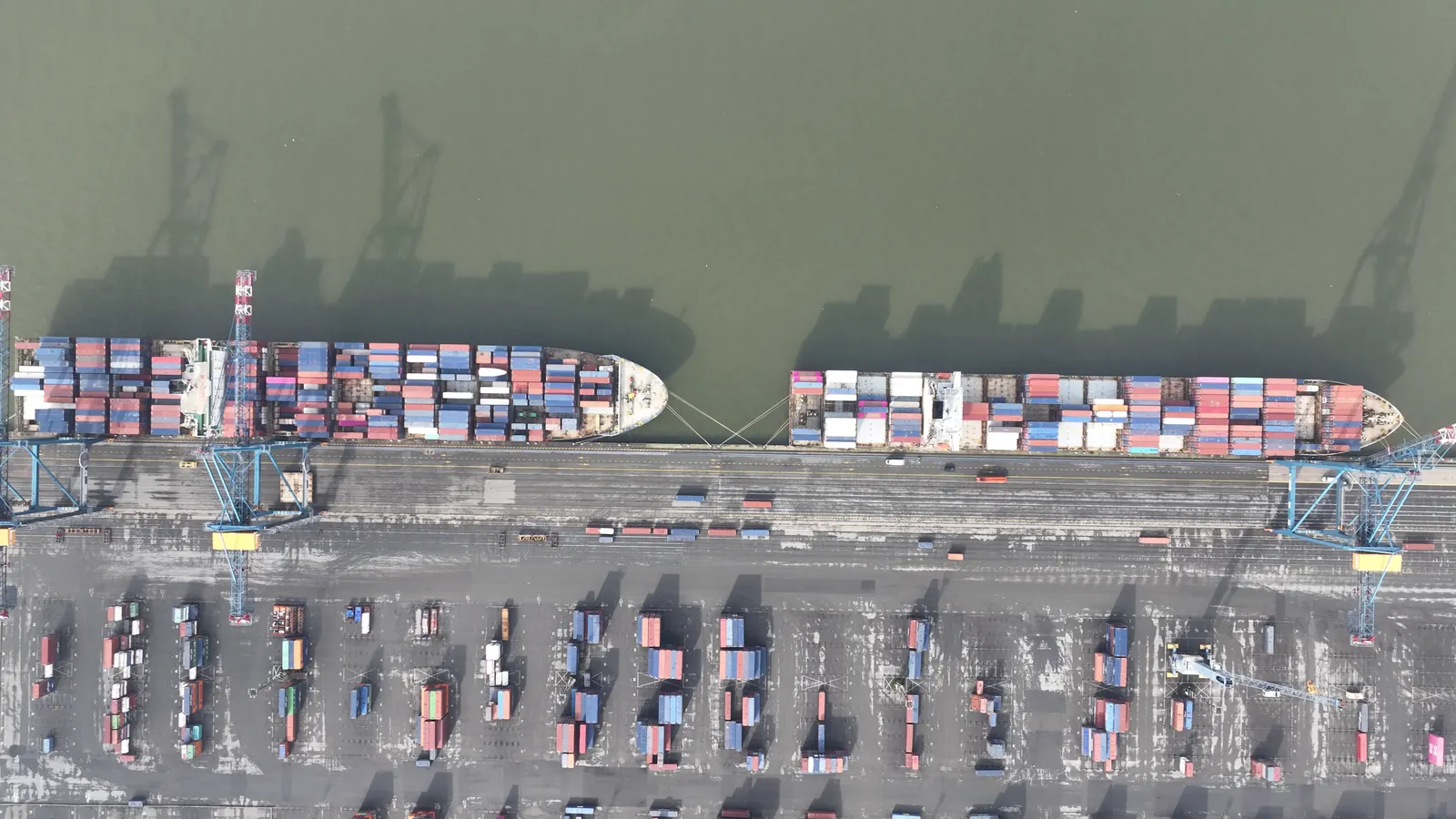
A kilo of cocaine is worth about $1,300 in Colombia and about $48,000 at wholesale in the United States, 37 times as much. The American price is more than half of what the median American family earns in a year. Almost none of the markup reaches the farmers who grow the coca leaf. At the last global count, for 2009, they received about one cent of each dollar of retail sales.
Each price in the chain has its own unit and its own date. Coca leaf is priced per arroba, the unit in which Colombian farmers sell it. Coca paste, the intermediate product, and cocaine hydrochloride, the finished powder, are priced per kilo at wholesale, and the European retail figure is per gram. Leaf and paste prices are averages for April to June 2024, converted at 3,933 pesos per dollar; the Colombian kilo is a 2025 figure; the destination prices are the Colombian Navy’s estimates for 2024. The table of prices therefore gives orders of magnitude, and no single shipment was priced along it.
Production, use and seizures
South America could have produced about 4,100 tonnes of pure cocaine in 2024, the United Nations estimates. The figure is potential production, the amount the coca crop could yield, and it is more than four times the 2014 low. Coca covered a record 385,100 hectares worldwide, almost three times the area of a decade earlier, and Colombia alone counted 261,000. About 25 million people used cocaine in 2024, by the UN’s estimate, 6.5 million of them in North America, the largest market. Seizures grew over the same years. Global seizures tripled in a decade to a record 2,275 tonnes in 2023, 13% more than a year earlier, according to the joint monitoring report of the Colombian government and the UN. The number of countries and territories reporting a cocaine seizure rose from 118 in 2013 to 170 in 2023, and seizures in the emerging markets of Africa and Asia rose by 85% in a single year. The report credits those seizures with limiting the cocaine that reaches consumers. Purity in the United States rose all the same. The signature programme of the Drug Enforcement Administration (DEA) found that Colombian cocaine seized at wholesale in 2024 averaged 88% purity, on a rising trend since 2020. Record seizures and a purer wholesale product in the same years indicate that supply was not short.
Price at each step of the chain
| Step | Price | Source |
|---|---|---|
| Coca leaf, one arroba (the farm sales unit) | COP 25,774, about $6.55 | Colombian Ministry of Justice and DSCI |
| Coca paste or base, per kg | COP 2,164,216, about $550 | same |
| Cocaine hydrochloride in Colombia, per kg | COP 5.6 million, about $1,308 | El Tiempo, citing an official report |
| Mexico, per kg | about $14,000 | El Tiempo |
| Netherlands, per kg | $27,785 | Colombian Navy estimate, in Government of Colombia & UNODC report |
| Spain, per kg | $34,483 | same |
| United Kingdom, per kg | $38,150 | same |
| Germany, per kg | $43,200 | same |
| United States, per kg | $48,000 | same |
| France, per kg | $53,000 | same |
| Japan, per kg | $85,000 | same |
| New Zealand, per kg | $172,000 | same |
| EU retail, implied average | about €66 per gram | EUDA market value ÷ volume |
The largest multiple is at the first border. From about $1,300 in Colombia to $48,000 in the United States the price rises 37-fold, and to the Netherlands, the cheapest European market in the table, 21-fold. Daniel Mejía, an economist at the University of the Andes in Bogotá, puts the full rise from the place of production to the final sale in the United States at up to 60 times. Across destinations the price follows distance and risk more closely than cost. The large port countries are the cheapest in Europe, and distant or new markets are the dearest. New Zealand, at $172,000 a kilo, pays 131 times the Colombian price. The joint Colombian and UN report says emerging markets in Africa and Asia attract traffickers with high prices and a lower risk of seizure. Seizures enter the price as well. Colombia seized 966 tonnes in 2024, 40% of the world total, the UN says. The cost of each kilo seized is recovered from the kilos that arrive, so the final buyer pays a risk premium.
Retail value and the farmers’ share
The most recent global valuation is the UN’s estimate for 2009, about $85 billion of retail sales. The Andean farmers who grew the coca earned about $1 billion of it, or a cent on the dollar. Most of the gross profit was made in the consumer markets, $35 billion of it in North America and $26 billion in Western and Central Europe. The estimate is dated, since production has more than quadrupled since 2014, and the UN has published no newer global value.
Cocaine in Colombia’s economy
Within Colombia the trade is the size of a major export industry. In September 2023 Bloomberg Economics estimated the country’s cocaine exports at $18.2 billion for 2022. It calculated that they could overtake oil, the largest legal export, as soon as 2023, after oil exports fell by 30% in the first half of that year. Mr Mejía, working from Defence Ministry figures, put the income from cocaine sales at $15.3 billion in 2023, or 4.2% of gross domestic product (GDP). His series varies widely: 2.3% of GDP in 2008, 1.2% in 2013, when coca was still sprayed from the air, and 4.2% a decade later. By his estimate the trade brings in almost three times as much as coffee and more than the $11.8 billion that Colombians abroad sent home in 2024, and he compares it with the whole construction sector. The two estimates share a method. Each takes potential production, subtracts seizures and values the remainder at foreign wholesale prices, so both are approximate. On either estimate cocaine ranks beside oil and ahead of remittances among Colombia’s sources of dollars. Mr Mejía argues that the money lets armed groups expand into new territory and step up forced recruitment, and he calls that combination the biggest threat to the stability of Colombian democracy.
Farm-gate prices in 2023 and 2024
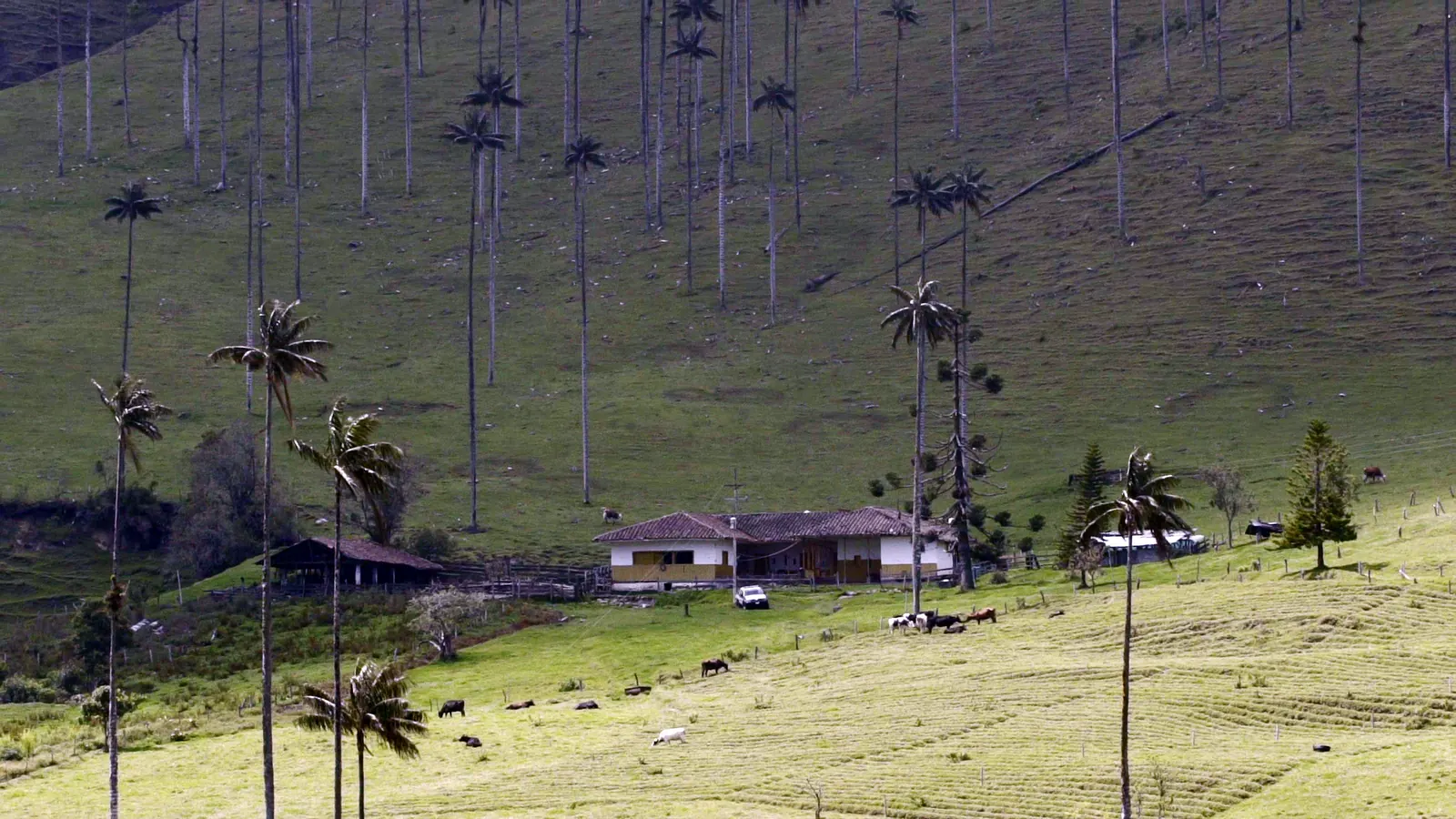
Farm-gate prices, the prices paid to the grower, fell sharply in 2023. An internal World Food Programme presentation seen by Reuters in July 2023 said coca markets in Nariño, Putumayo and Norte de Santander had been paralysed for between three months and a year. It said some 400,000 families relied on income connected to the crop. The presentation attributed the fall to oversupply, from record crops and more productive plants, and also cited territorial disputes between trafficking groups and the spread of fentanyl in the United States, a major cocaine market. In Nariño the price of an arroba of leaf fell from about $20 to about $7, according to WOLA, a Washington research group, and a kilo of coca paste that had sold for $450 to $600 fell to perhaps $375. In Argelia, in Cauca, where the mayor says nine in ten residents depend directly on the crop, a farmer who picked 300 arrobas cleared about $150 a month after paying for inputs. Elizabeth Dickinson of the International Crisis Group told Reuters that prices were at around 30% of their former levels and that rural areas were suffering “complete economic collapse”. The government paid 2 million pesos, about $487, to just over 77,000 families. That sum is roughly what one kilo of paste had sold for in Nariño before the fall. By the first half of 2024 the national average for leaf was about $6.55 an arroba, close to the Nariño low. The same oversupply appeared in Europe as higher purity and a lower retail price.
The EU retail market
The European Union Drugs Agency (EUDA) put the EU’s cocaine retail market at €10.5 billion or more in 2020, for about 158 tonnes of the drug. Dividing the value by the volume gives an implied average of about €66 a gram, more than 50 times the Colombian price per gram. For 2021 the agency and Europol put cocaine at €11.6 billion of an illicit drug market worth at least €31 billion, second only to cannabis.
EU countries seized 330 tonnes in 2024, after a record 419 tonnes in 2023. Spain seized 124 tonnes and France a record 53.5, and Belgian customs at Antwerp seized about 55 tonnes in 2025, less than half the 2023 figure. Over the decade to 2024 retail purity rose by 44% and the retail price fell.
Cash storage and 2 bank cases
Revenue on this scale has to be stored or passed through banks. At the height of the Medellín cartel, its bookkeeper later wrote, the organisation spent $2,500 a month on rubber bands to bundle its cash and wrote off a tenth of the money each year to rats in storage. Forbes put Pablo Escobar on its billionaires list for seven years running from 1987. Two large banks have since admitted failures that let some drug money through. In 2012 HSBC admitted to anti-money-laundering and sanctions violations. It agreed to forfeit $1.256 billion under a deferred prosecution agreement, an arrangement that suspends prosecution while a company meets set conditions, and to pay $665 million in civil penalties. The Justice Department said the bank’s failures let at least $881 million in drug trafficking proceeds, including money of the Sinaloa Cartel in Mexico and the Norte del Valle Cartel in Colombia, be laundered through HSBC Bank USA. Between 2006 and 2010 the bank failed to monitor more than $670 billion in wire transfers and more than $9.4 billion in purchases of physical dollars from HSBC Mexico. In October 2024 TD Bank, the tenth-largest bank in the United States, pleaded guilty and agreed to pay more than $1.8 billion, the largest penalty ever imposed under the Bank Secrecy Act, the US law that requires banks to keep controls against money laundering. Three laundering networks moved more than $670 million through its accounts between 2019 and 2023, and the department said the bank’s failures let money flow “including for international drug traffickers”. The operators of one network, which processed more than $470 million, gave bank employees gift cards worth more than $57,000 to keep the deposits coming, about a hundredth of one per cent of the money moved. Merrick Garland, then Attorney General, called TD “the first US bank in history to plead guilty to conspiracy to commit money laundering” and said: “By making its services convenient for criminals, TD Bank became one.” In both cases the penalty came years after the money had moved, and the shareholders bore it.
The cost of removing one kilo by enforcement
The argument for enforcement rests on the markup itself. Without seizures, prison sentences and lost cargo the 37-fold markup would narrow, and cheaper cocaine would mean more of it consumed. By that test enforcement achieves its aim, which is a high price.
The cost of holding the price up has been estimated. Gary Becker and two co-authors showed in 2006 that the less buyers or sellers respond to price, the greater the social cost of cutting supply further by enforcement. When demand and supply are not too elastic, meaning not very responsive to price, enforcing a ban pays only if the drug’s social value is negative. In 2016 Mr Mejía and Pascual Restrepo estimated the Colombian case with a model of Plan Colombia, the United States’ aid programme for the Colombian drug war. They calculated the marginal cost to the United States, the cost of removing one more kilo from retail markets, at $940,000 through eradication and $175,000 through interdiction in Colombia. Interdiction therefore costs more than three times the $48,000 wholesale price of the kilo it removes, and eradication nearly 20 times. The comparison sets the 2016 model’s costs against the 2024 wholesale price without adjusting for inflation. The model also matched what the data showed: the trade moved to other source countries, coca crops became more productive in response to eradication, and consumer markets showed no apparent effect. Europe’s record seizures in 2023, followed by purer and cheaper cocaine, are consistent with that result. On these estimates a seizure works as a tax that costs the state far more to collect than it costs the trade to pay.
Statements by the Colombian and US governments
Colombia’s then president, Gustavo Petro, told the UN General Assembly in 2022 that “the war on drugs has failed”, and asked: “What is more poisonous for humanity, cocaine, coal or oil?” In September 2025 the United States declared that Colombia had “failed demonstrably” in its anti-drug obligations, the first such finding in nearly 30 years, and it repeated the finding in September 2026. In October 2025 the Treasury designated Mr Petro under its sanctions programme, saying that under him “cocaine production in Colombia has exploded”.
Each government attributes the outcome to the other. The measured outcome is the same in both accounts: supply is at a record, cocaine in Europe has become purer and cheaper, and seizures are absorbed as a cost of trading. The farm-gate price of leaf, $6.55 an arroba, does not depend on which account is correct.
What the figures show
A farmer sells an arroba of leaf for about $6.55, and a gram of the finished product sells in Europe for about €66. The margin between the two is divided among intermediaries, ports, seizure losses and banks, and at the last global count the farmer’s share was one cent of each retail dollar. The farm gate is also the one stage in the chain where the price collapsed in 2023. The stage that carries the most risk keeps the least money, the most extreme case of a pattern this site measures in every legal economy. Four decades of seizures, sanctions and spraying have kept the markup wide, and the record shows no other lasting effect on the market. On these figures prohibition works as a price support for every stage above the farm gate: it holds the markup up and passes the cost of seizures to the final buyer.
How did it get here, and who feels it?
How it changed
America fought coca from the air. US-backed spraying in Colombia began in 1994 and became central to Plan Colombia, launched in 1999 to halve drug production in six years. The GAO found in 2008 that the goal was not fully met, after more than $6 billion of US aid. In 2015 Colombia suspended glyphosate spraying after the World Health Organization called the herbicide a probable carcinogen.
Sources: US Government Accountability Office; AFP via Phys.org; Earthjustice
Why it matters now
Record supply is reaching American bodies. Overdose deaths involving cocaine rose from 1.3 per 100,000 people in 2010 to 8.6 in 2023, when they killed 29,449 Americans, according to the CDC. The rate rose 4.9% in 2023 even as deaths involving synthetic opioids such as fentanyl fell slightly. The two tallies overlap, since a death involving both drugs is counted in each.
For a family far from the trade
For a family the practical defence is cheap and legal. Since March 2023 the FDA has allowed Narcan, a naloxone nasal spray that rapidly reverses an opioid overdose, to be sold without a prescription in pharmacies, grocery stores and petrol stations. It bears on cocaine because the CDC's figures show the two epidemics overlapping: a death involving both fentanyl and cocaine is counted in each.
Sources: US Food and Drug Administration; CDC National Center for Health Statistics
The fight behind it
In 2025 the fight became one between governments. In September the White House found that Colombia had failed demonstrably to meet its drug control obligations, the first such finding since 1997, though a waiver kept aid flowing. Gustavo Petro blamed demand in America and Europe. On 24 October the Treasury put Mr Petro, his wife, his son and his interior minister under counter-narcotics sanctions.
Sources: Michigan Public; US Treasury
Customized portfolio review
Professional report, video call and further recommendations. From $180, in 3 tiers.
See the reviewSources35
UNODC 1 2 3; Government of Colombia & UNODC; Ministerio de Justicia (ODC) & DSCI; Government of Colombia; El Tiempo 1 2; FRED; EUDA 1 2; EUDA & Europol; Forbes México; Business Insider; UN News; Congressional Research Service; US Treasury 1 2; The White House; VRT News; Federal Reserve; Bloomberg; La República; Reuters; WOLA; US Department of Justice; US Department of Justice release; Mejía; Becker; US Government Accountability Office; AFP via Phys.org; Earthjustice; CDC National Center for Health Statistics; US Food and Drug Administration; Michigan Public.
How the ladder is read. Prices come from different years and sources. Leaf and paste are April-June 2024 averages at 3,933 pesos per dollar. The EU gram is the EUDA’s 2020 market value divided by tonnes consumed. Mejía’s figures are as La República reported them. Petro’s words are UN News’s English rendering.
Figures no source prints are arithmetic on these sources. Sources read 17 October to 14 November 2026. A wrong number gets a dated correction here. General information, not personal financial advice.